
Seeker's Guide: How to Find Hiders — Meccha Chameleon
How to find hiders in Meccha Chameleon: use parallax, hunt lighting and pattern mistakes, and sweep the right spots. The seeker tutorial for the mecha chameleon game.
Last updated: 2026-06-23
Seeker's Guide: How to Find Hiders
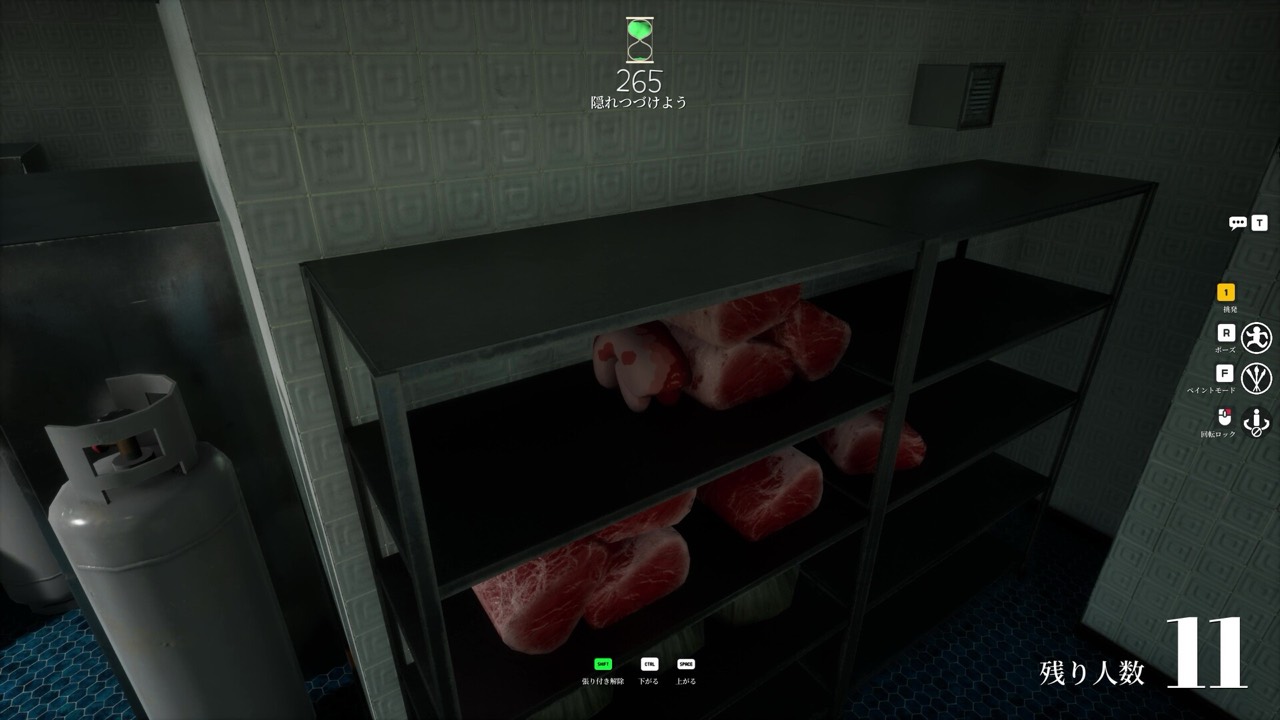
Most guides for the game obsess over hiding, but half of every round is hunting — and a sharp seeker wins fast. This is the seeker's tutorial for Meccha Chameleon: how to read a room, spot a painted body that does not belong, and clear a map efficiently. If you also want the hider side, pair this with the general pro tips and the paint guide.
Move sideways: parallax is your best weapon
A frozen hider is a painted statue, and paint cannot fake depth. Strafe left and right as you scan a wall: real flat surfaces stay put, but a hider standing slightly in front of the wall shifts against the background as your angle changes. This parallax tell is the single most reliable way to find hiders, and it works even when the color match is perfect. Walk close, move laterally, and watch for any shape that drifts.
Hunt the mistakes paint cannot hide
Color matching only goes so far. As a seeker, look for:
- Edges and outlines. A silhouette that breaks the wall's lines — a soft, blurry, or doubled edge — is a body. Patterns betray hiders best: on brick, tile, or wood paneling, look for a spot where the grid does not line up.
- Lighting and material errors. A matte blob on a glossy surface (or a shiny patch on a flat wall) catches the light wrong. Hiders who nail the hue but forget metallic and roughness still glow or go dull against their backdrop.
- Surfaces that are too perfect. Real walls have shadow and grain; a patch that is suspiciously uniform, with no texture variation, is often a flat paint job.
Sweep smart, not everywhere
Clear the high-probability spots first, then widen out. Beginners pile into the center of a room, behind the entrance door, and under big central tables — check those immediately. Then scan up: ceiling beams, pillar tops, high shelves, and light fixtures are under-checked because most players look at eye level. Each map rewards a different first sweep — see the per-map seeker notes on the Mansion, Sewer, and Backrooms pages, or browse all maps.
Use the tools the game gives you
Taunts and noises can provoke a flinch from a nervous hider, and the free spectator camera (after you are out, or when seeking) lets you study angles you would otherwise miss. In Increasing Oni (infection) your hunting side snowballs as caught hiders join you, so coordinate sweeps; in Double (speed hunt) it is a pure race, so commit to the parallax scan and move fast. The game modes page breaks down how each one changes your job.
Think like a hider
The fastest way to get better at seeking is to understand exactly how good hiders paint — the base, shadow, noise, and highlight layering, and the material tuning they use. Once you know what a clean disguise looks like, the flawed ones jump out. Run a surface through the free camouflage palette matcher to see the layered plan a hider would follow, then go hunt for the layers they skipped.
Plan your disguise — or learn to break one — with the free camouflage palette matcher.